Remove the Visible Cancer
A thin layer of tissue is carefully removed.

Mohs surgery removes skin cancer in stages, with tissue examined during the procedure. Understand why it may be recommended and what to expect before surgery, on the day, and during healing.
Thin layers are removed and examined.
The surgeon maps areas needing more treatment.
Precise removal helps limit tissue loss.
A wound-care plan for your particular repair.
Mohs surgery combines skin cancer removal with microscopic examination of the tissue edges. If cancer remains, the surgeon uses a map to remove another thin layer from the affected area. This helps preserve healthy tissue while treating the cancer.
It is often used for selected basal and squamous cell cancers in sensitive locations, recurrent cancers, or tumors with higher-risk features. Your biopsy and examination determine whether it is appropriate for you.
Schedule Your Visit
Mohs surgery is a specialized technique used to remove certain skin cancers while carefully examining the edges of the removed tissue.
The procedure is performed in stages, allowing the physician to continue removing tissue only where cancer cells remain. This approach can help preserve as much healthy surrounding tissue as possible.
A thin layer of tissue is carefully removed.
The margins are evaluated under a microscope.
If cancer cells remain, their exact location is identified.
Additional tissue is removed only from areas where cancer remains.
After the area is numbed, the surgeon removes the visible cancer and a thin layer of surrounding tissue. A temporary dressing protects the site while the tissue is processed.
You usually remain awake. Local anesthesia helps keep the treatment area comfortable.
The tissue is prepared for microscopic review, and its location is recorded on a map. The surgeon checks the edges for remaining cancer cells.
If cancer is found, another layer is removed from the mapped area. The process repeats until the examined margins are clear.
Once removal is complete, the surgeon assesses the wound and discusses how it should heal. Options include stitches, a flap, a graft, or natural healing.
Your instructions cover dressings, activity, and follow-up. The repair and recovery plan depend on the size and location of the wound.
Select a stage to understand preparation, surgery, and recovery.
Your preparation instructions are specific to your procedure and health history.
Discuss Your CareDo not stop a prescribed medicine on your own. Follow the instructions agreed on by your surgical team and prescribing clinician.
Local anesthesia numbs the area. Tissue removal is followed by laboratory processing and examination.
Discuss Your CareSeveral hours may be needed, and some appointments take longer. The exact duration cannot be known in advance.
Repair is chosen for your particular wound, skin, and medical needs.
Discuss Your CareSome tenderness or swelling can occur. Contact the team about bleeding that does not stop as instructed, worsening pain, or signs of infection.
Your care is individualized. Suitability and availability are discussed at your visit; some treatments may require coordinated specialist care.
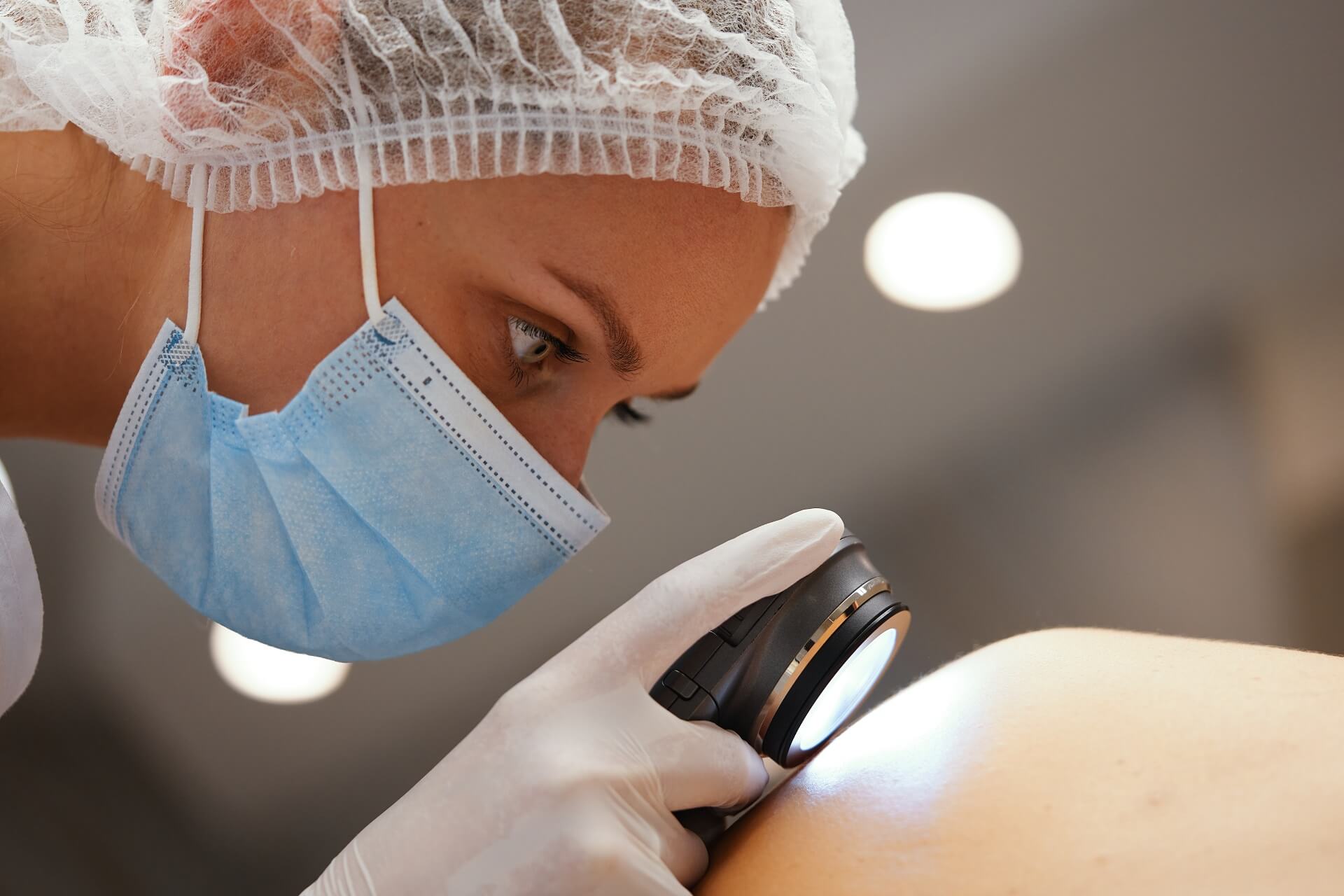
We review the pathology report, confirm the treatment site, and explain why Mohs may be recommended. This is a chance to discuss your concerns and questions.
The team reviews medication and preparation questions, expected waiting time, and transportation needs. Follow the instructions provided for your surgery.
After removal, the surgeon explains wound management and home care. Follow-up checks assess healing, and regular skin examinations remain important.
Mohs is usually performed with local anesthesia while you are awake. The numbing injection may briefly sting. You may feel pressure during treatment; tell the team if you feel pain so the area can be reassessed and additional anesthesia considered.
Keep the day available. Tissue processing and additional stages take time, and wound repair adds to the appointment. Many procedures take several hours, but the exact duration varies. Your team explains what to bring and how to prepare.
Healing at the surface does not prove that all cancer cells were removed. Cells can remain beneath or around the biopsy site. Keep the recommended appointment and make sure the team has the pathology report and the correct site information.
Do not stop prescribed medicines on your own. Give the team a complete list of prescriptions, over-the-counter medicines, and supplements. Follow the personalized instructions agreed on by your surgical team and the clinician who prescribed the medicine.
Yes. Mohs preserves as much healthy tissue as possible, but surgery leaves a wound and a scar. Repair options depend on the wound. The scar changes as it heals, and its final appearance takes time; outcomes vary between patients.
Activity restrictions depend on the wound location and repair. Follow the team’s written instructions for lifting, exercise, work, and dressing care rather than a fixed timeline. Ask when to return for a wound check or stitch removal, if needed.
If Mohs has been recommended, schedule a consultation to review your diagnosis, preparation, and recovery. Our team can help with questions about an outside biopsy and the next steps in your skin cancer care.




