Aesthetix Dermatology · Fort Lauderdale

Fully Ablative CO₂ Laser Skin Resurfacing

For persistent acne scars, deeper wrinkles, and sun-damaged texture.

Tried microneedling or fractional laser and still see the scars? Explore a more intensive option. Fully ablative CO₂ resurfaces the entire selected skin surface—also called full-field resurfacing—to improve scar texture and visible skin damage.

Patient receiving a facial laser treatment while wearing protective eyewear

What Can Fully Ablative CO₂ Improve?

Severe Acne Scars

Soften selected pitted acne scars and uneven texture that remain long after breakouts have cleared.

Fine Lines & Wrinkles

Resurface damaged skin and soften visible lines and wrinkles.

Sun Damage

Target years of accumulated visible sun damage.

Uneven Texture

Improve roughness and create smoother-looking skin.

Advanced Photoaging

Address multiple visible signs of aging within one comprehensive treatment plan.

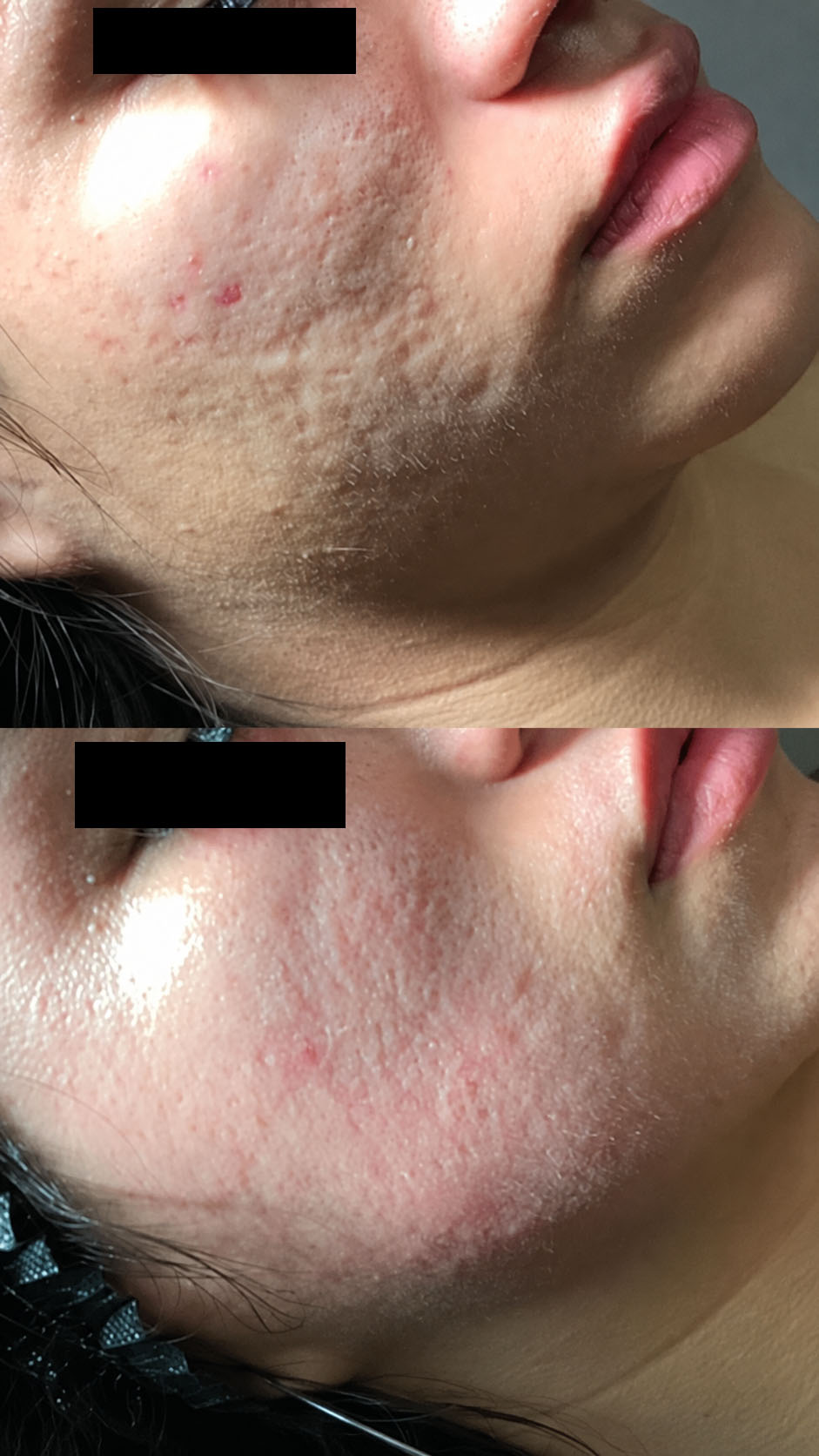
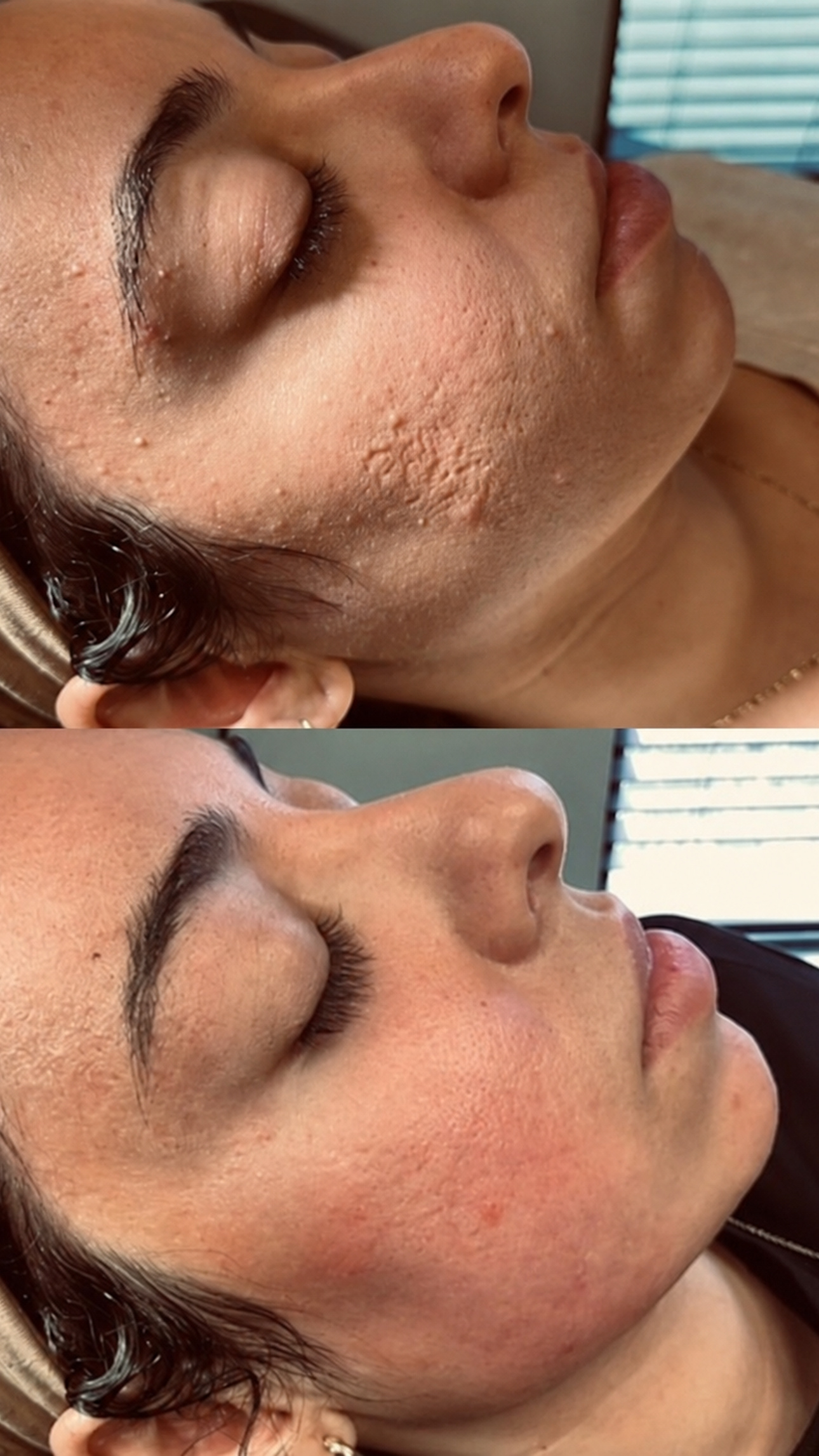
Real CO2 Resurfacing Results

What Is Fully Ablative CO₂ Laser Skin Resurfacing?

Fully ablative CO₂ laser skin resurfacing uses controlled laser energy to remove outer layers of skin and stimulate collagen remodeling as the skin heals. It can soften the appearance of selected acne scars, pronounced wrinkles, and rough or sun-damaged texture.

“Full-field” describes how the skin is treated: the surface is resurfaced continuously across the selected area. Fractional lasers treat small columns of skin and leave untreated skin between them. Treatment depth is tailored to your skin and concerns.

How is it different from treatments you’ve tried?

  • BBL / IPL: light-based treatments commonly used for pigment and redness. Improving skin color is different from resurfacing the uneven texture of pitted scars.
  • Microneedling: creates small needle channels to stimulate collagen. It can improve acne scars, but persistent texture may call for a different or combined approach.
  • Fractional laser: treats a portion of the skin surface in each session. Full-field CO₂ offers continuous surface coverage, with more involved healing and aftercare.

For the right patient, fully ablative resurfacing may be a meaningful next step when previous treatments have left substantial texture concerns. The best choice depends on your scars, skin tone, prior results, and the recovery you can commit to.

Woman with visible facial skin concerns Woman with a different skin tone and facial texture
Your skin tone, scar type, and treatment history guide your individual plan.

An individual decision

Who Is Fully Ablative CO₂ For?

This may be worth discussing if you have significant pitted acne scars, deeper wrinkles, or widespread rough texture—and have seen limited improvement with previous treatments.

You’ll need time for healing, a commitment to wound care, and realistic goals. Your skin tone, scar types, medical history, and prior results help determine whether fully ablative CO₂ or another treatment plan is appropriate. Active acne should be brought under control before treating scars.

Discuss your options

What to Expect

Consultation

Your skin, concerns, medical history and treatment goals are evaluated.

Treatment Planning

The appropriate treatment depth and resurfacing approach are selected.

Procedure

The targeted skin is treated according to the customized treatment plan.

Recovery

Healing occurs over time and aftercare instructions are provided based on the intensity of treatment.

Results

Skin continues to improve as healing and remodeling progress.

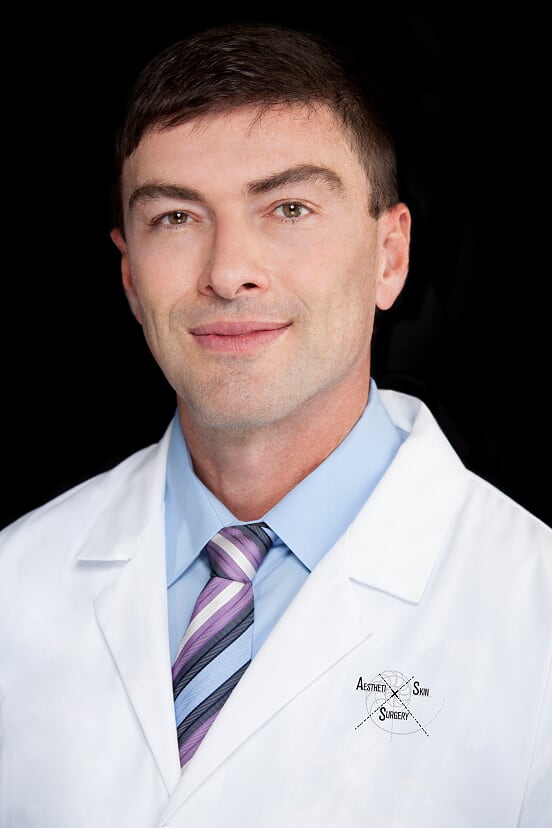
Skin Resurfacing with Dr. Igor Chaplik

Dr. Igor Chaplik, DO, is a board-certified dermatologist and Mohs micrographic surgeon with training in cosmetic and dermatologic surgery. At Aesthetix Dermatology, he uses Lumenis UltraPulse CO₂ technology and tailors skin resurfacing to each patient’s concerns, goals, and recovery needs.

After spending time and money on skin care, microneedling, BBL, or fractional laser sessions, modest improvement can feel discouraging. Pitted scars in photos, makeup settling into uneven texture, and harsh lighting can keep affecting how comfortable you feel showing your skin. Persistent scarring deserves a fresh assessment.

Dr. Chaplik will review your scar types, skin tone, medical history, and previous treatment results to discuss whether fully ablative CO₂ is appropriate for you. Deep ice-pick scars and scars anchored beneath the skin may need targeted treatments alongside resurfacing.

Your consultation is a chance to understand the improvement that is realistic, whether a combined plan makes sense, and how to prepare for recovery.

Make room for healing

Real recovery.
Clear expectations.

Fully ablative resurfacing requires dedicated wound care and time away from your usual routine. Surface healing, fading redness, and final results follow different timelines.

  1. Early healing

    Skin may be raw, swollen, tender, and oozing or crusting. Follow your physician’s instructions for cleansing, ointments or dressings, and prescribed medications.

  2. Returning to your routine

    Initial healing is often measured in weeks. Returning to work, exercise, and makeup depends on your treatment, how your skin heals, and your physician’s clearance.

  3. Redness & gradual refinement

    Pinkness or redness can persist for weeks to months after the surface closes. Changes develop as healing and collagen remodeling continue. Sun protection and follow-up remain important.

Your next step

Ready to Revisit Your Options?

If scars or deeper wrinkles still bother you after previous treatments, discuss whether fully ablative CO₂ laser skin resurfacing fits your skin and goals.

Request a consultation

When booking, ask for a fully ablative CO₂ laser skin resurfacing consultation with Dr. Chaplik.